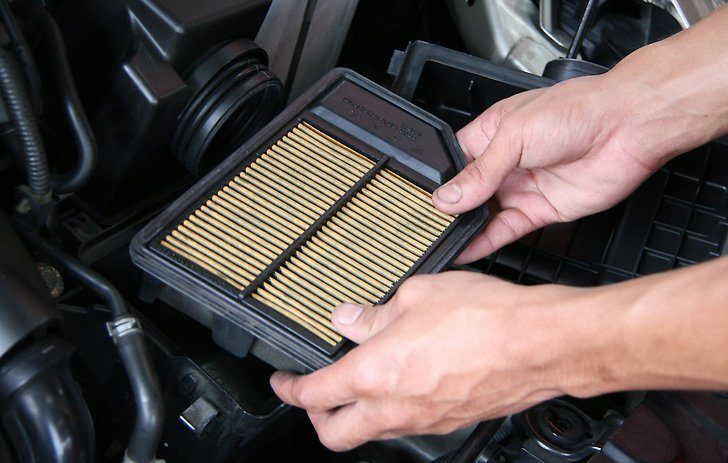
Swapping out your vehicle’s air filter is one of the easiest ways to boost engine performance, improve fuel economy, and keep dust from harming internal parts. Most cars need this every 15,000–30,000 miles, but check your manual for specifics—signs like reduced acceleration or a dirty filter are your signals. This tutorial covers the engine air filter on a typical sedan or SUV; cabin filters are similar but inside the glovebox. It’s a 10–20 minute job with no special skills required, but always work in a well-ventilated area and disconnect the battery if your model has electronic sensors.
Tools and Parts You’ll Need
- New air filter (match your vehicle’s make, model, and year—buy from auto parts stores or online)
- Screwdriver (Phillips or flathead, depending on clips)
- Shop rags or paper towels
- Optional: Compressed air can or vacuum for cleaning the housing
Step-by-Step Process
- Park and Prepare: Turn off the engine, pop the hood, and let it cool. Locate the air filter housing—it’s usually a black plastic box on the engine’s side with clips or screws.
- Open the Housing: Unclip or unscrew the lid (typically 2–4 fasteners). Lift it carefully to avoid dropping debris inside.
- Remove the Old Filter: Pull out the dirty filter, noting its orientation (clean side up). Inspect the housing for leaves or dirt—wipe clean with a rag or vacuum gently.
- Install the New One: Slide in the fresh filter, ensuring it fits snugly and aligns with any arrows (airflow direction). Don’t force it—double-check the seal.
- Reassemble and Test: Secure the lid back on. Start the engine and listen for unusual noises; rev gently to confirm smooth operation.
Handy Tips for Success
- For dusty areas, change more often; hybrid or electric vehicles might have different setups.
- Avoid washing reusable filters unless specified—most are disposable.
- Track mileage in a app or notebook to stay on schedule.
- If your car has a mass airflow sensor nearby, clean it sparingly with approved spray to avoid damage.
With this simple swap, you’ll notice better throttle response right away. If issues persist, like check engine lights, visit a mechanic for deeper diagnostics. Drive safe!